THE
FULL MOONS OF THE YEAR
There are 12 to 13 full moons each year. They are regarded as markings of time and the change of the seasons in various cultures and folklore. The Celtic lunar calendar consists of thirteen moons associated with different trees and natural elements.
Their lunar calendar was designed around a 13-month system, each month consisting of 28 days, with an extra day added at the end of the year to align the lunar and solar cycles. This system also played a key role in spiritual and symbolic traditions, as each lunar month was associated with a specific tree. Although this calendar eventually gave way to the solar-based system, it remains an integral part of Celtic mythology and folklore, still honoured by modern Pagans and Druids.

Beith, THE
BIRCH MOON
Birch is all about new beginnings. It’s one of the first trees to come up in wild areas, symbolising renewal. Paired here with the Wolf, as the first full moon of the year is called the Wolf Moon in many Native American cultures.

Luis, THE
ROWAN MOON
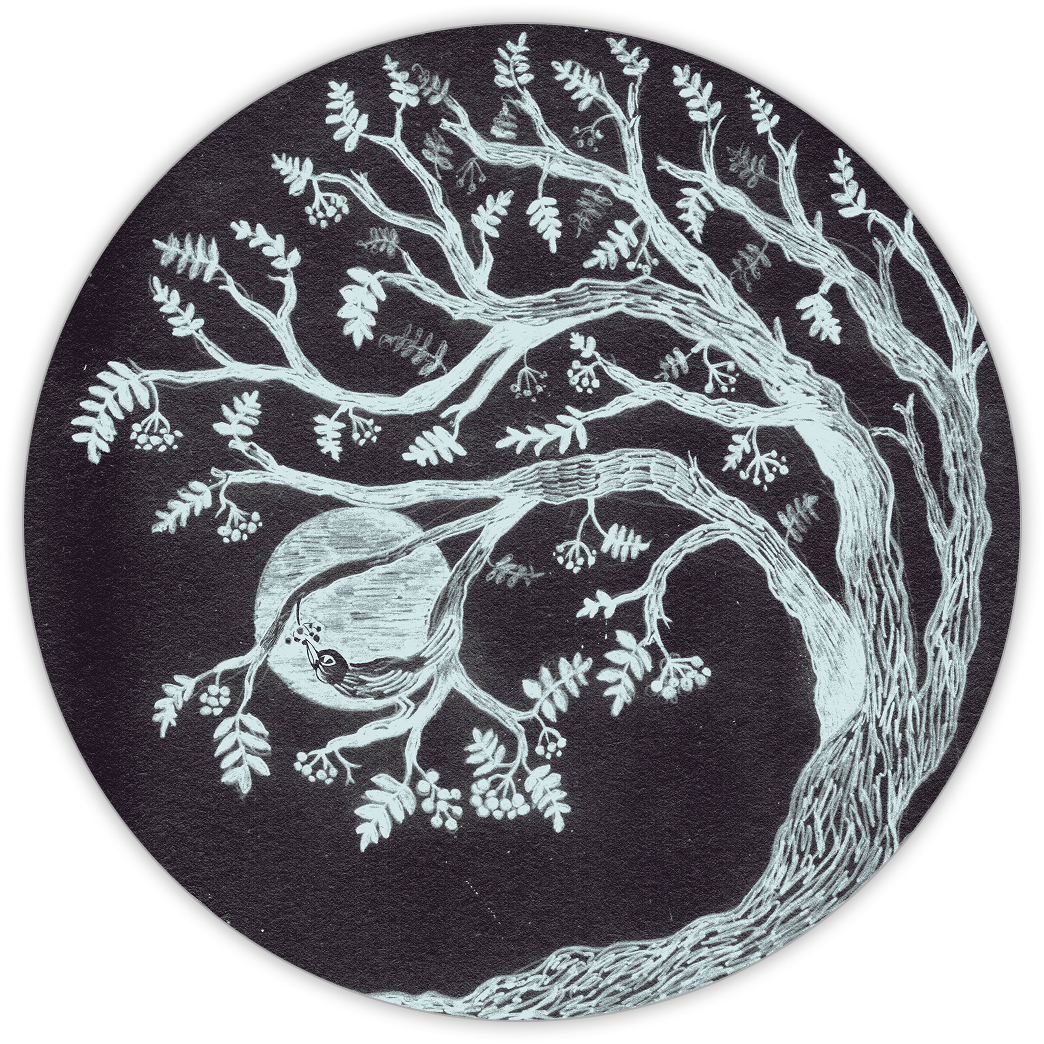
Rowan, often called "witch wood," reflects its strong protective qualities. It’s also closely tied to the Fae and the mystical Otherworld. Paired with the Blackbird, commonly seen as a guide to the spiritual realm.

Nion, THE
ASH MOON
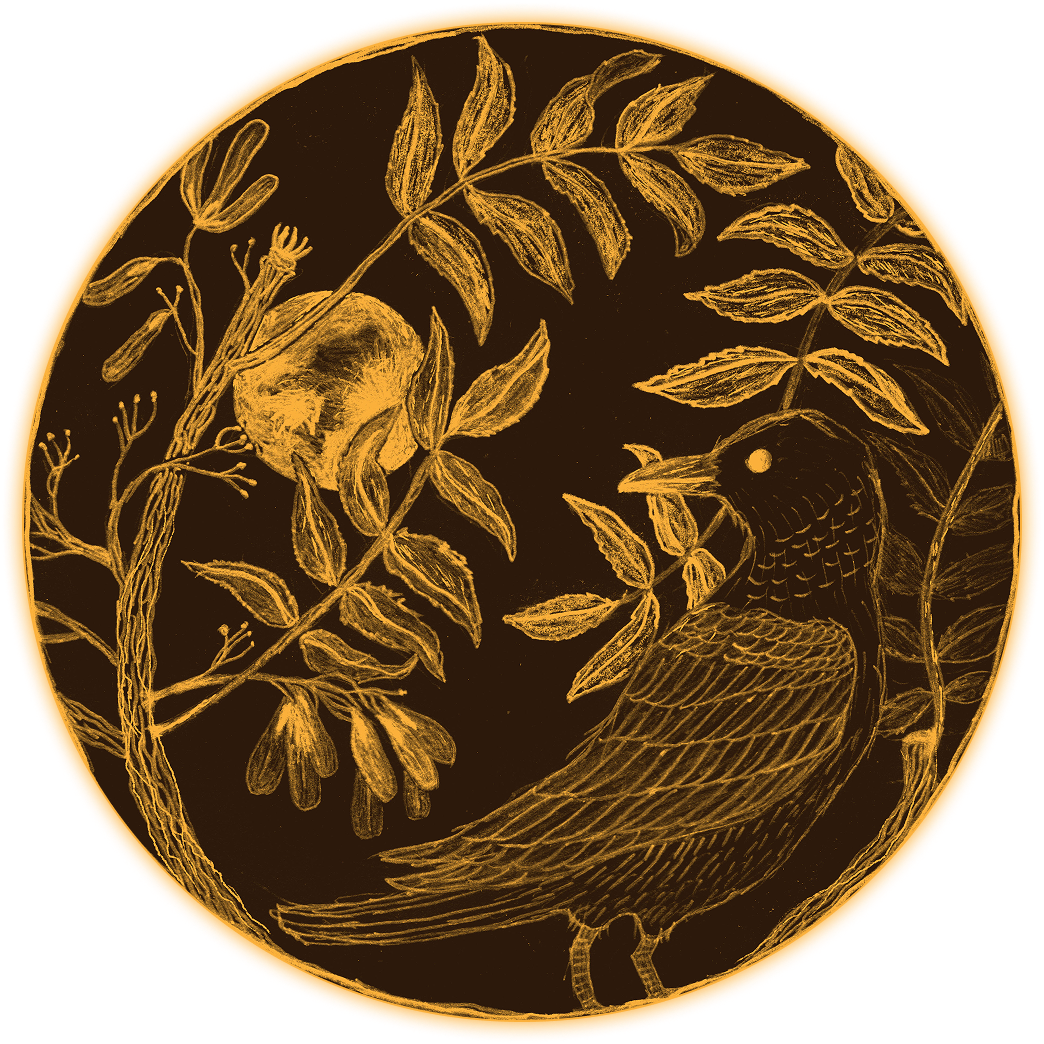
Ash symbolises connection across realms—its roots delve into the underworld, its trunk stands firm in the earthly plane, and its branches stretch toward the skies. Paired with the Crow, a creature often linked to the underworld.

Fearn, THE
ALDER MOON
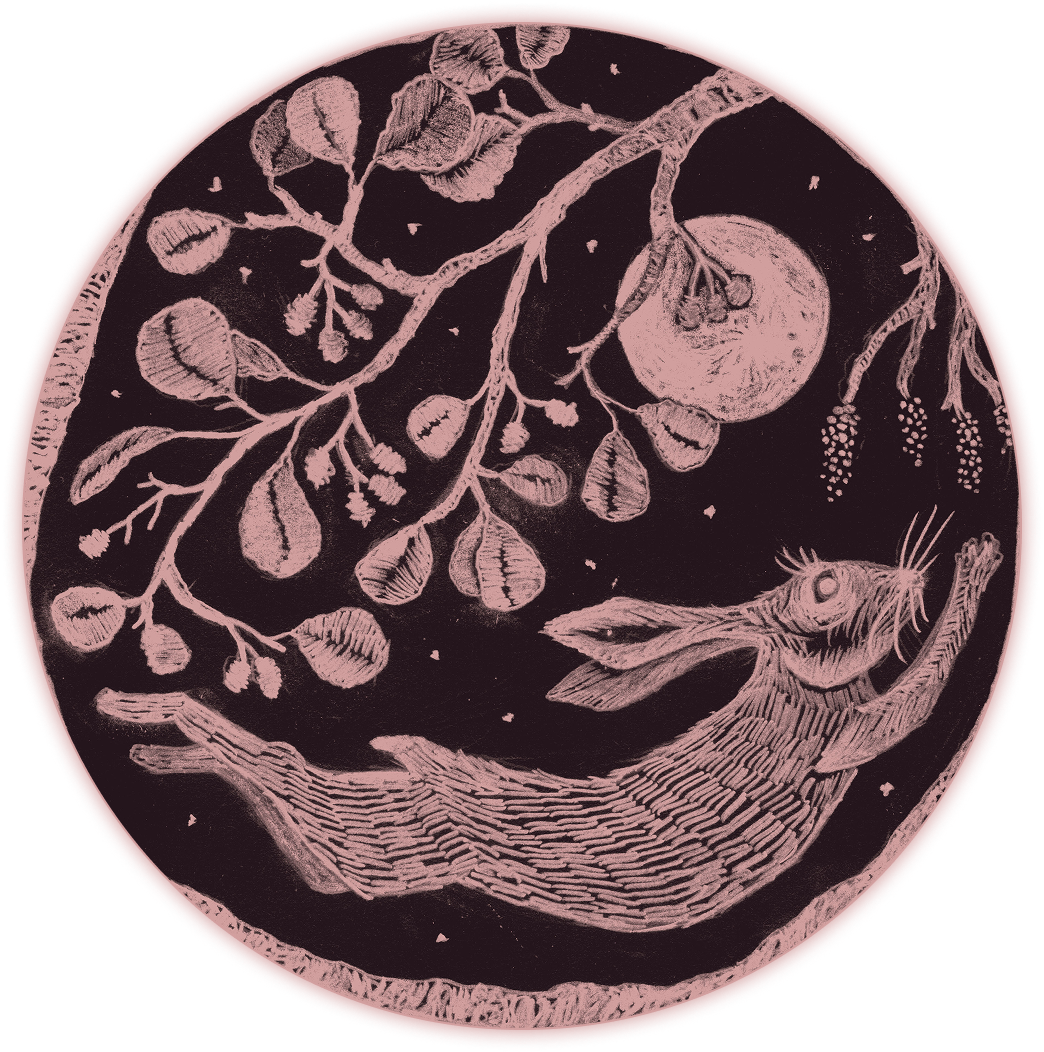
Alder trees form a symbiotic bond with root-dwelling bacteria that help fix nitrogen, enriching the surrounding soil. A harmonious blend of strength and cooperation. Paired with the Hare, this connection highlights agility and intuition.

Saille, THE
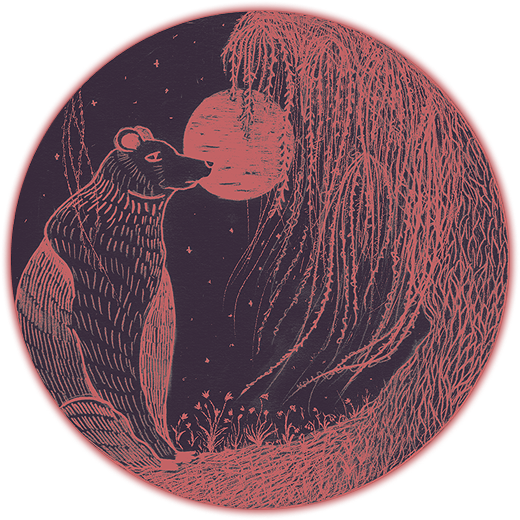
WILLOW MOON
The willow likes to grow near water, and is especially associated with the moon and feminine energy. Its bark has been used for hundreds of years for pain relief. The fourth full moon of the year is often called the Bear Moon in Native American cultures.

Huath, THE
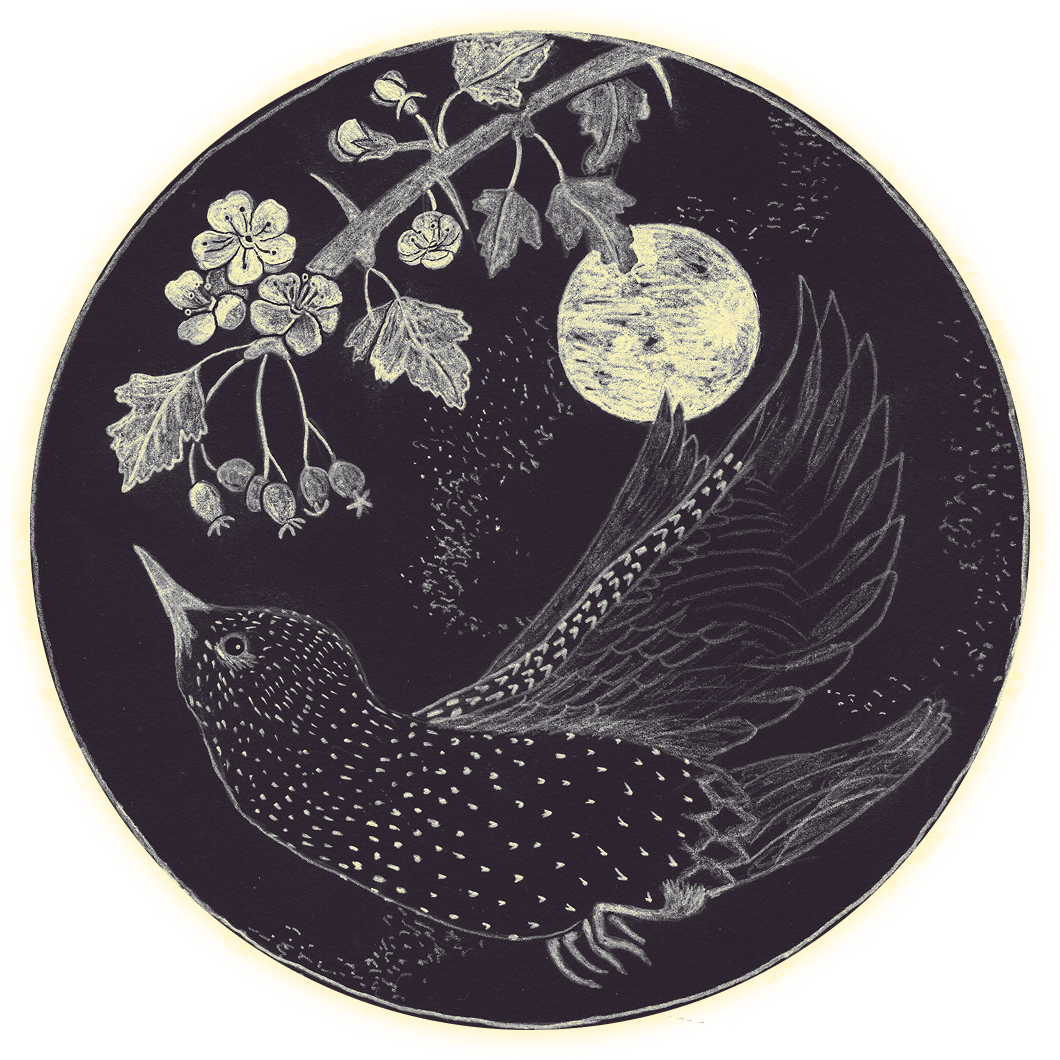
HAWTHORN MOON
Hawthorn uplifts the spirit and invites love into the heart. Traditionally used to support heart health, it stands for openness, affection, and protection. Its berries are a favourite food source for the Starling.

Duir, THE
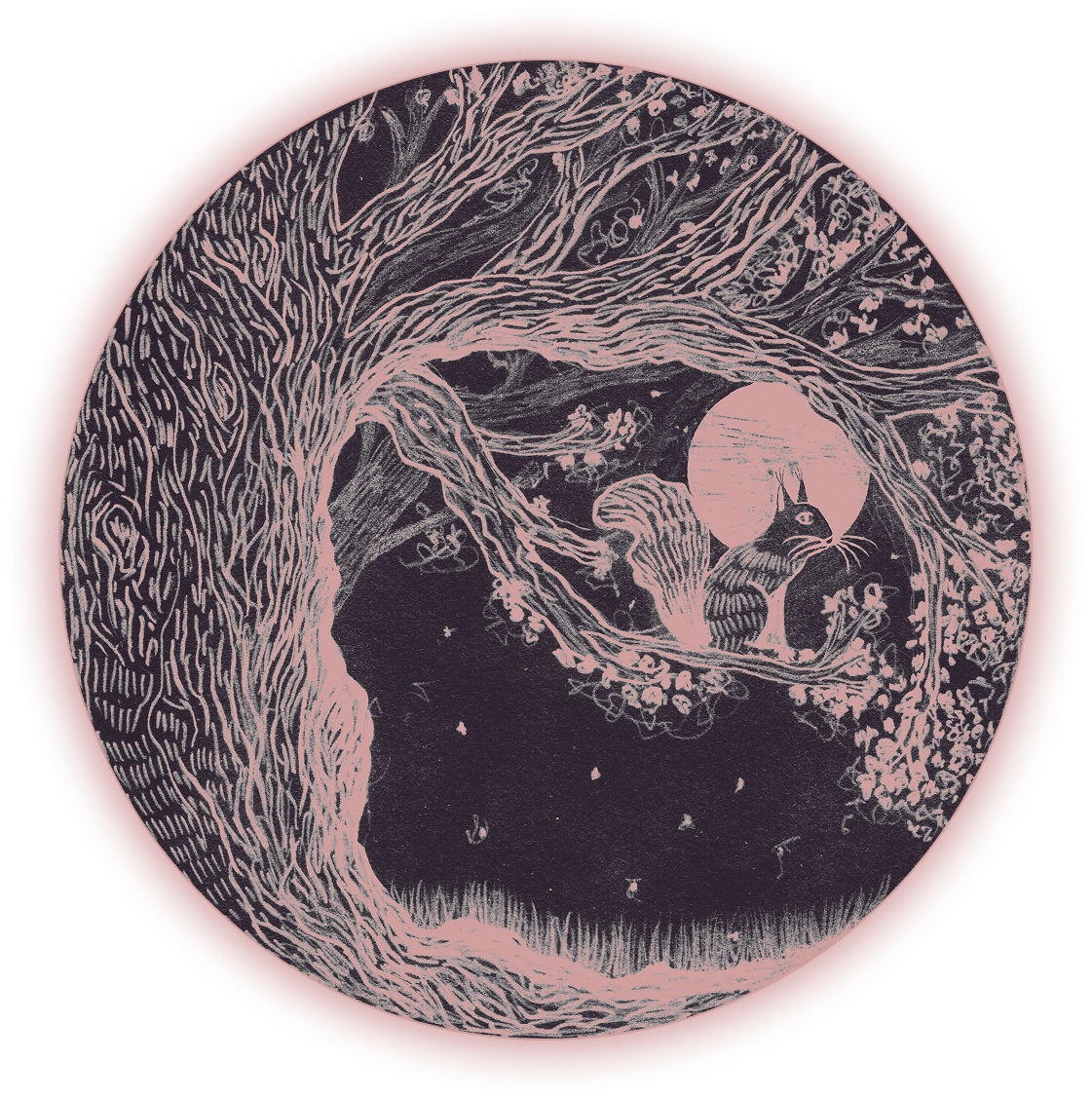
OAK MOON
Symbolizing strength and courage, the Oak—known in Celtic as Duir—is believed to be linked to the word "door," reflecting its role as a gateway to inner resilience. Oaks nourish a wide variety of wildlife, with the Squirrel showing a particular fondness for their acorns.

Tinne, THE
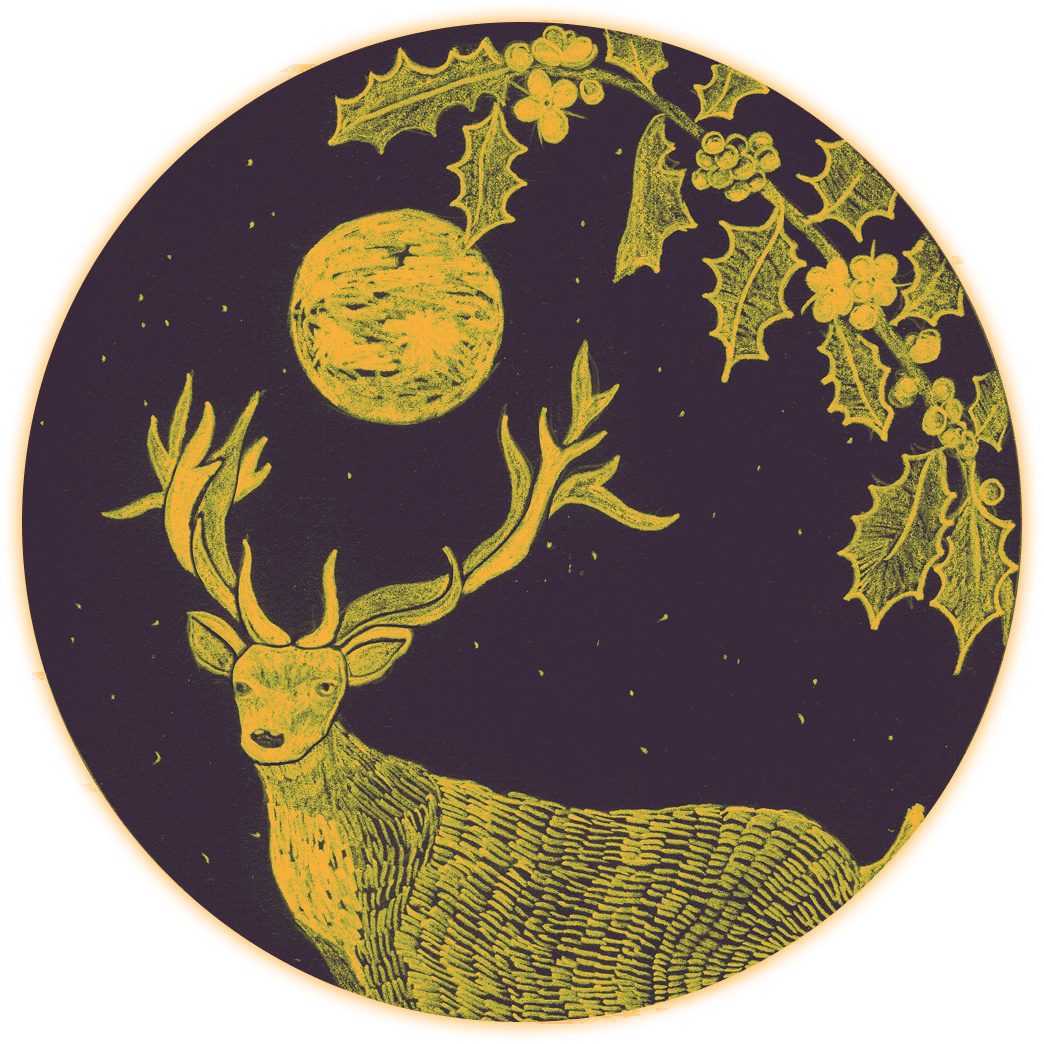
HOLLY MOON
Holly represents eternal life and unconditional love, serving as a powerful emblem of vibrant life energy and masculine strength. Deer are often drawn to the tender young shoots of Holly.

Coil, THE
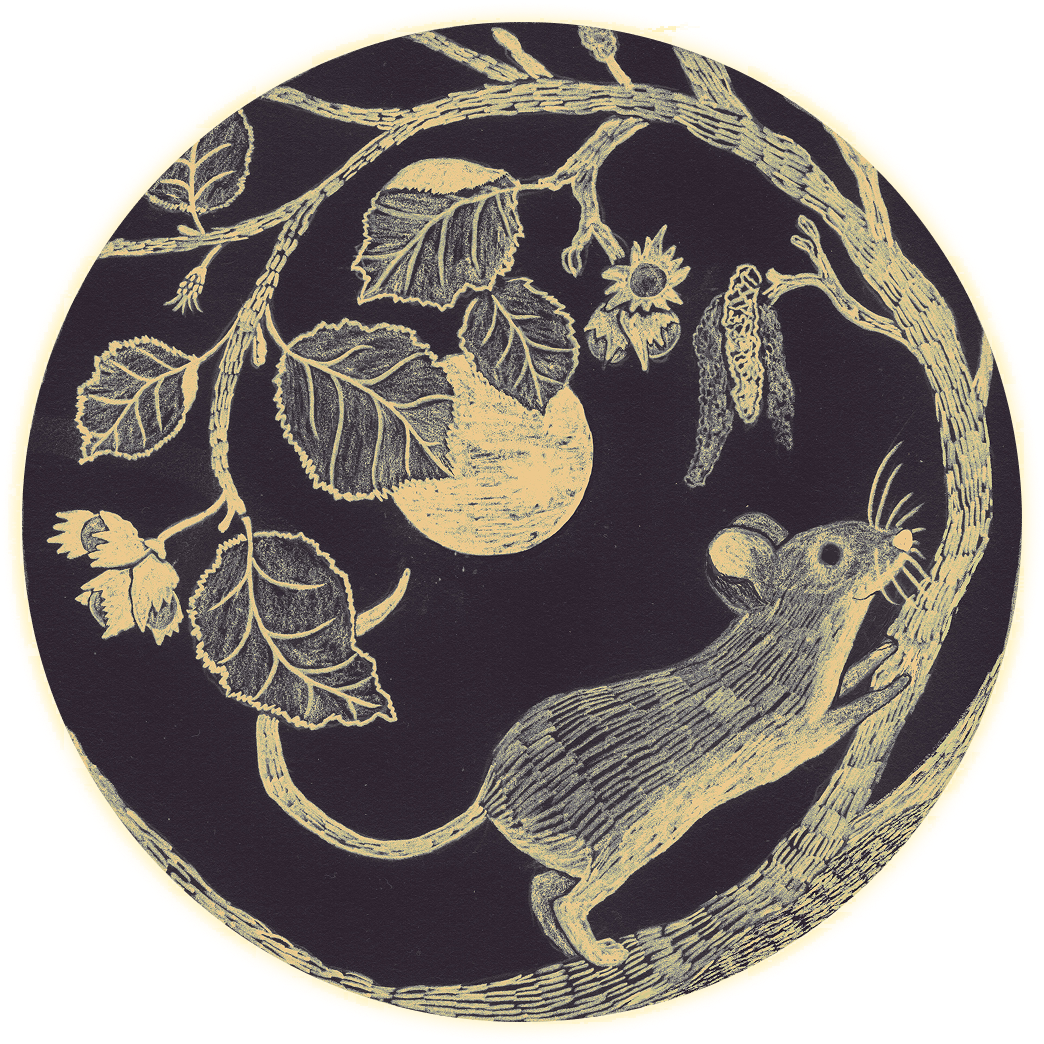
HAZEL MOON
Hazel embodies fertility, wisdom, and knowledge. It also aids in unlocking pathways to creativity. It is traditionally linked to "awen"—a Welsh term meaning muse. Paired with the Mouse, this connection suggests attentiveness, subtlety, and the quiet pursuit of wisdom.

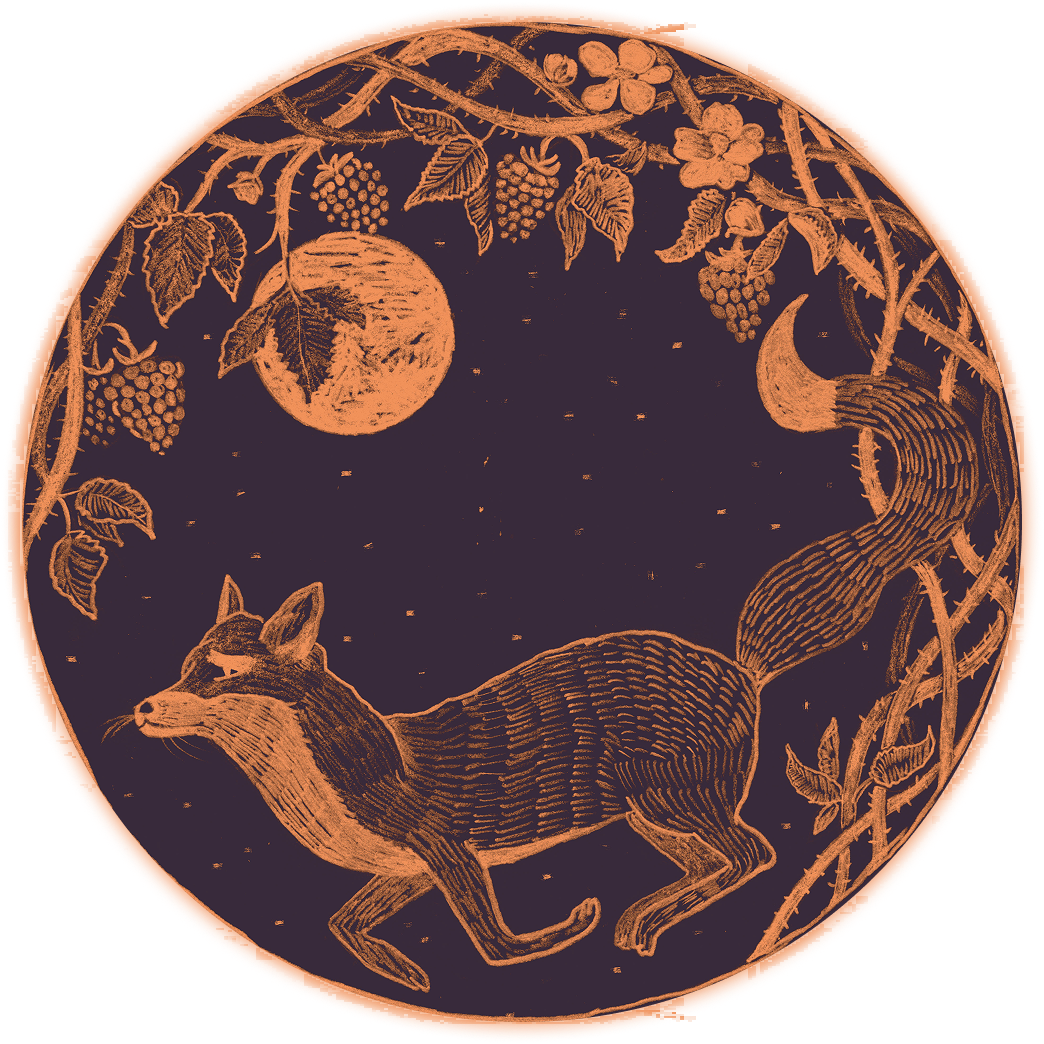
Muin, THE
BRAMBLE MOON
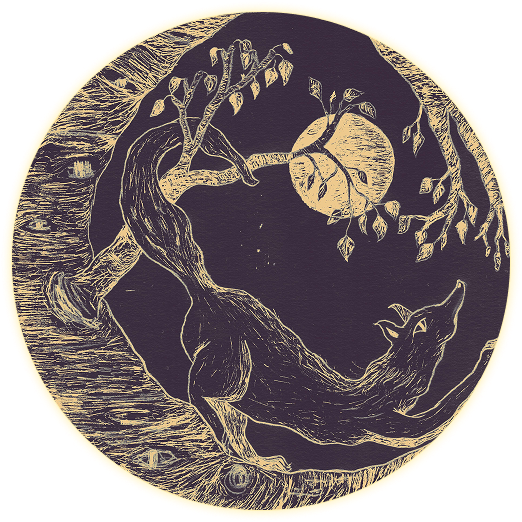
The bramble, producing the sweet blackberry, symbolizes labor, abundance, growth, and blessings. It encourages us to enjoy life’s pleasures and celebrate abundance. Paired with the Fox, it signifies cleverness and the pursuit of joy.

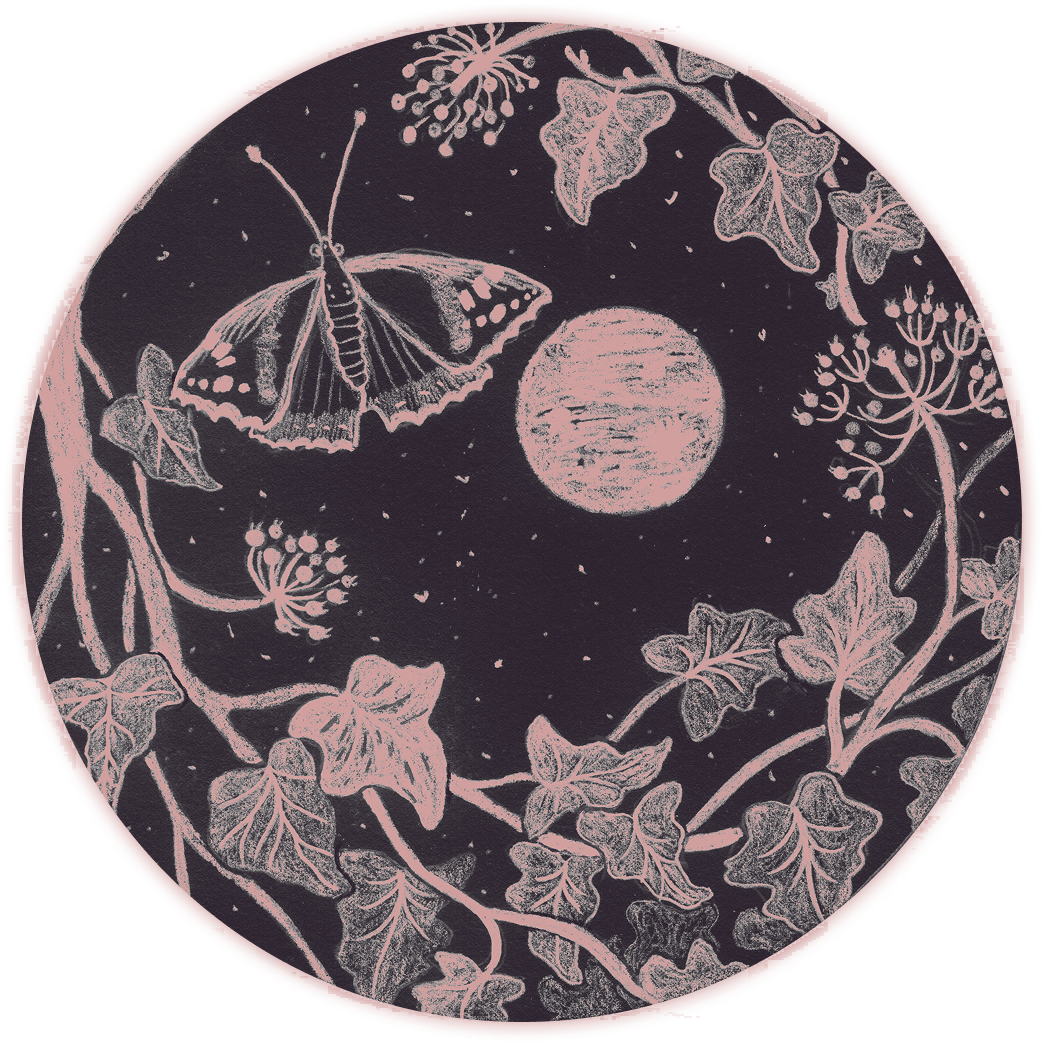
Gort, THE
IVY MOON
‘I am ivy, a real high-flyer. Via bark and stone I scale tree and spire’ begins Robert MacFarlane’s poem from his book ‘The Lost Words’. Ivy symbolises transformation through persistence, as it overcomes obstacles and climbs high.

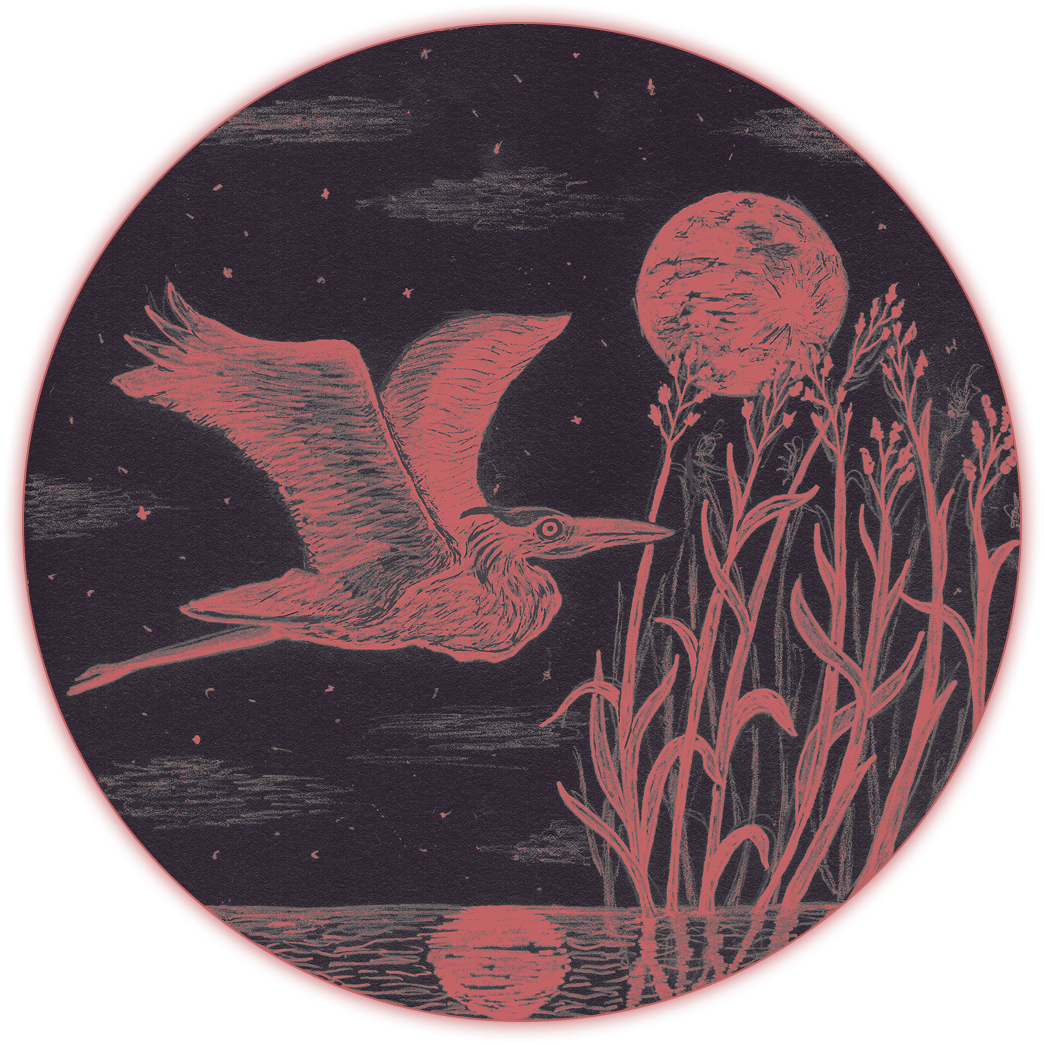
Ngetal, THE
REED MOON
Reed, linked to wind and water, symbolises love, family, and fertility. Its rustling warns of strong winds, symbolising protection. Reeds offer shelter for water birds. Paired with the Heron, it represents grace and balance.

Ruis, THE
ELDER MOON
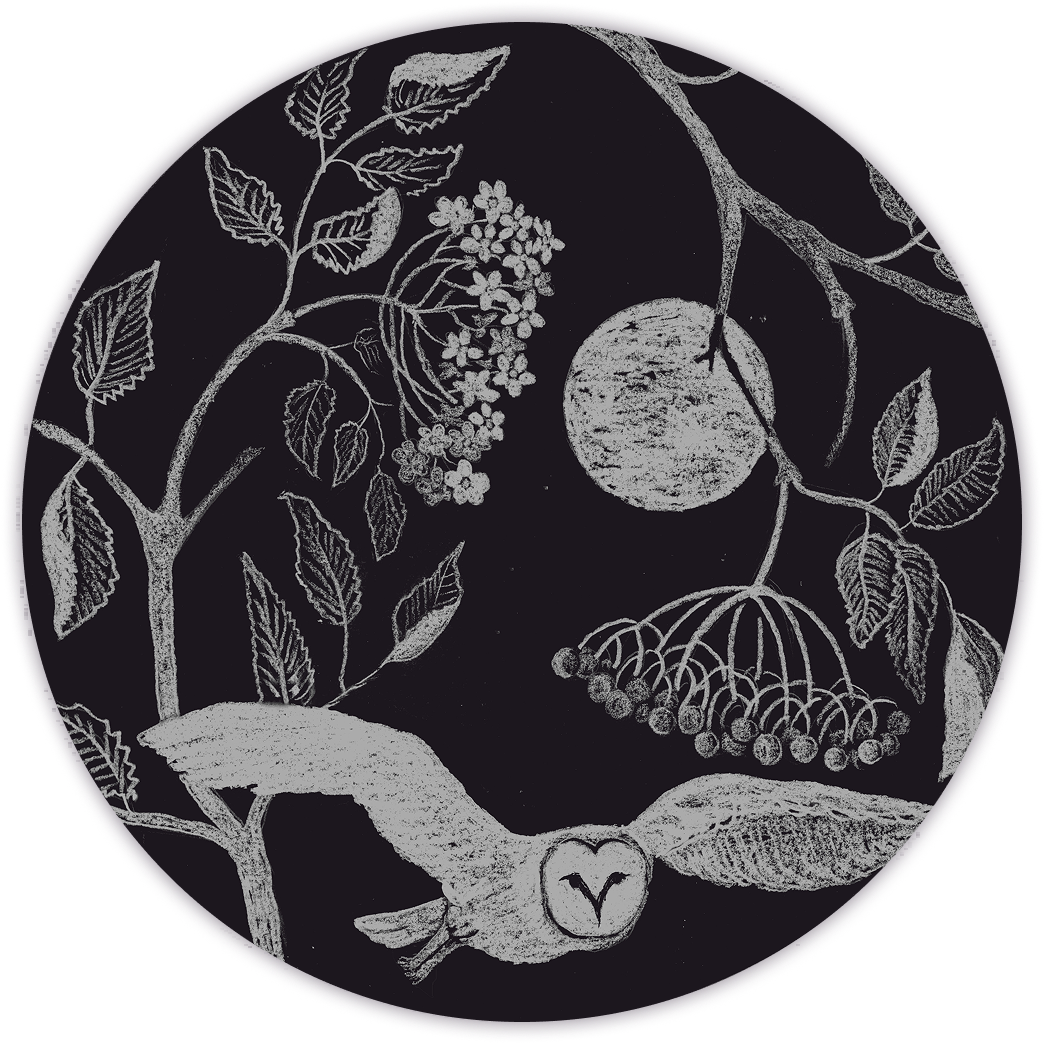
Elder symbolises both the end within the beginning and the beginning within the end, illustrating the cycle of death and rebirth. Paired with the Barn Owl, it symbolises wisdom and transformation.